#008 - 2025/12/31
A selection of what I've read this past week.
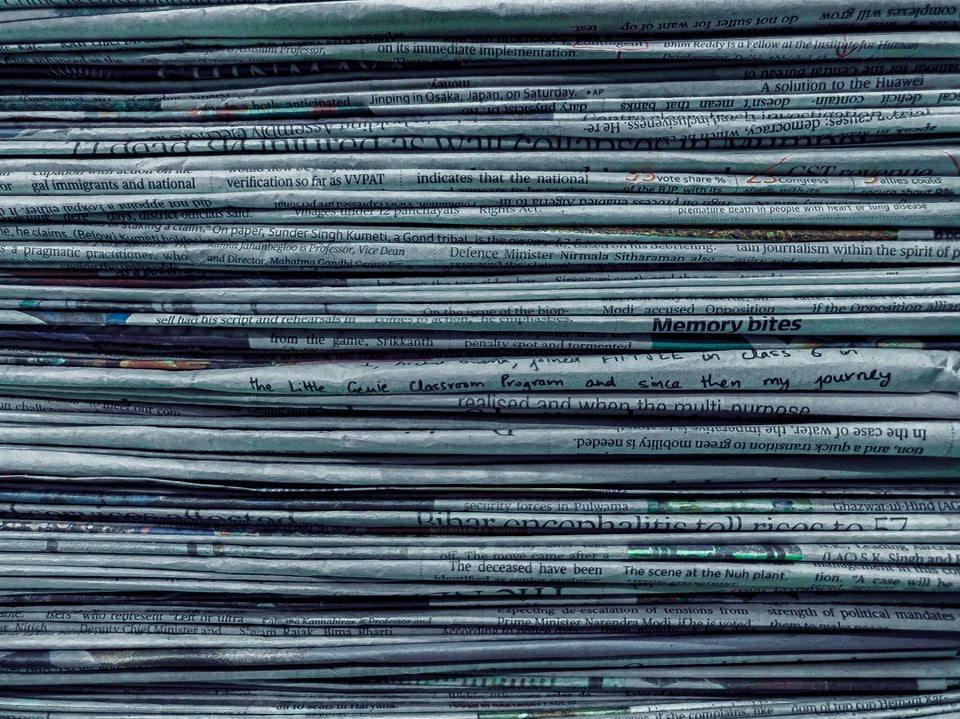
My main newsletter, Complex Machinery, includes a section called "In Other News..." It's where I list one-liners about interesting articles that didn't fit into any segments.
You can think of this list as a version of In Other News, but with a wider remit than Complex Machinery's "risk, AI, and related topics."
Above the fold
- AI-generated video slop is everywhere, filling possibly a third of YouTube's catalog. It's also pretty good business, according to a report from Kapwing. (Credit where it's due: I originally found this through an article in Der Spiegel 🇩🇪.)
- This article about narcissistic leaders focuses on politicians and executives. The central point – that people prefer narcissists during times of uncertainty – also explains a lot of the influencer sphere. People crave bold, confident leadership when they feel lost. And that is fertile ground for self-proclaimed experts.. (New York Times)
- We can mock OpenAI for just now opening up a Head of Preparedness role, this late into the company's existence. But they're still a step ahead of companies that are not making room in the org chart for AI-related risk management. (TechCrunch)
- Do everyday people prefer AI-generated art? If so, what does that say about them, creators, and the creative process? Writers (The New Yorker) and musicians (Washington Post) weigh in.
- France's 2027 push for digital identity documents could change banking for consumers. (Les Echos 🇫🇷)
- Large genAI companies are still shuffling numbers to make their balance sheets (appear to) work out.
The rest of the best
- In November, The Atlantic's Matteo Wong wasn't too impressed with the AirPod real-time translation. Ruffin Prevost of the New York Times had a much different experience just a few weeks later. (New York Times)
- AI-generated faces have gotten so good that they even fool people who are skilled at recognizing faces. (Live Science)
- Getting trashed at a Disney property, while passing it off as a cultural exploration. (WSJ)
- This story about a large-scale lobster theft sheds light on a growing form of impersonation fraud, hitting up soft spots in supply chains. (NBC News)
- VCs expect 2026 will be the year of enterprise AI adoption. "Adoption," maybe. But what about "success?" (TechCrunch)
- France's news-based influencers overlap with professional journalists, but they don't officially get that title. (Le Monde 🇫🇷)
- One look at how genAI tools may change the workplace. (Vox)
- Tesla's electronic door handles have allegedly hindered rescue efforts. (Bloomberg, Washington Post)
- Autonomous taxi company Waymo is paying people to get their vehicles un-stuck. That includes tow companies, sure. And also random people to close car doors. (Washington Post)
- As podcasts shift to video, not everyone is impressed. (The Guardian)
- Did dark web markets die after the Silk Road bust in 2013? Not at all. They're alive and thriving, with Telegram at the center of their communications. (Wired)
Did I miss anything?
Have something I should read? Send the link my way.
Don't miss what's next. Subscribe to In Other News...:


